
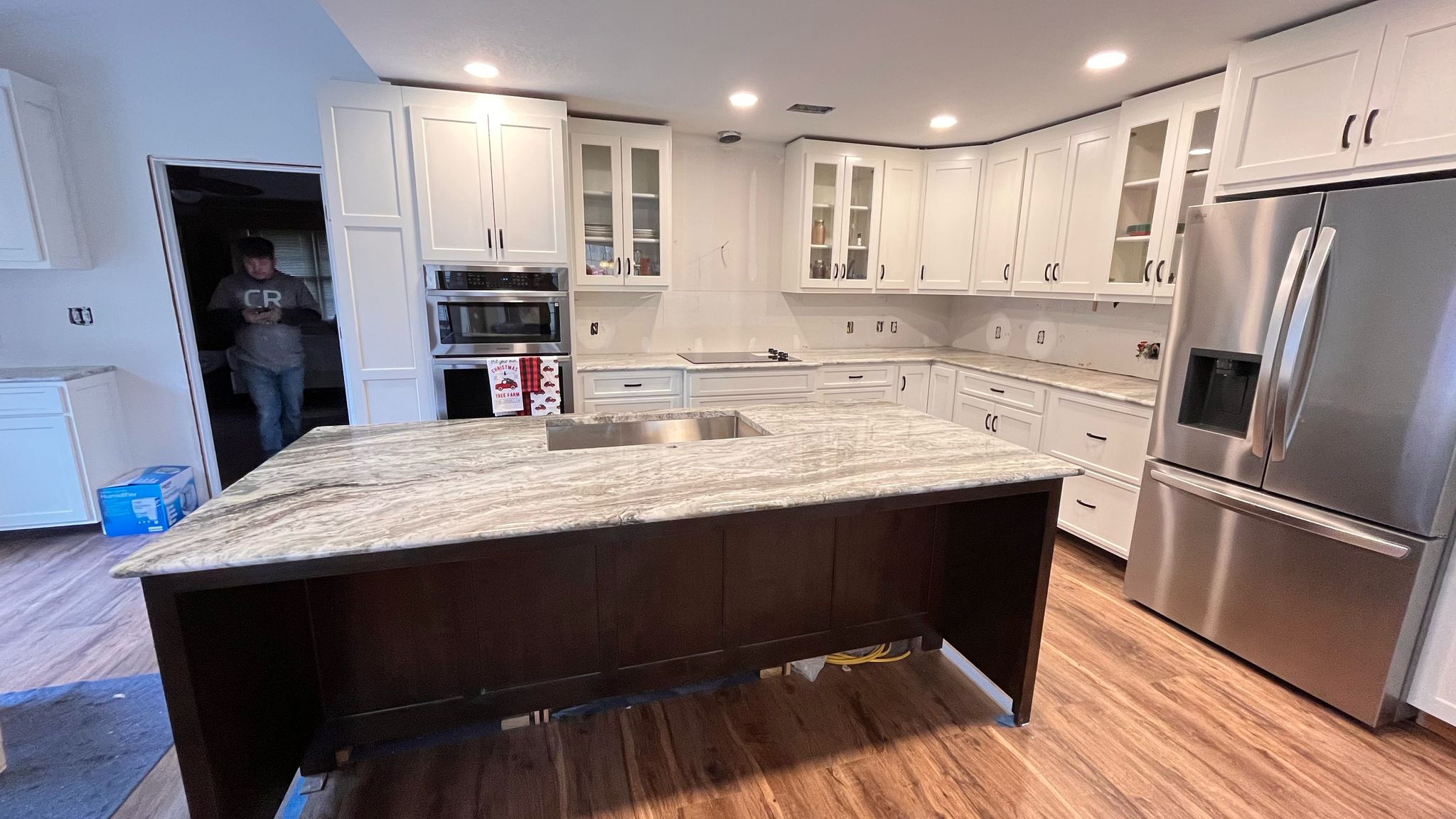
IMG_0798

Ultimate Guide to Kitchen Islands: Styles, Sizes, and Uses

Thinking of adding an island to your kitchen? Whether you’re remodeling or building from scratch, a kitchen island can transform your space both functionally and visually. This comprehensive guide will help you understand the value, possibilities, and considerations for incorporating the perfect island into your kitchen design.

Why Add a Kitchen Island

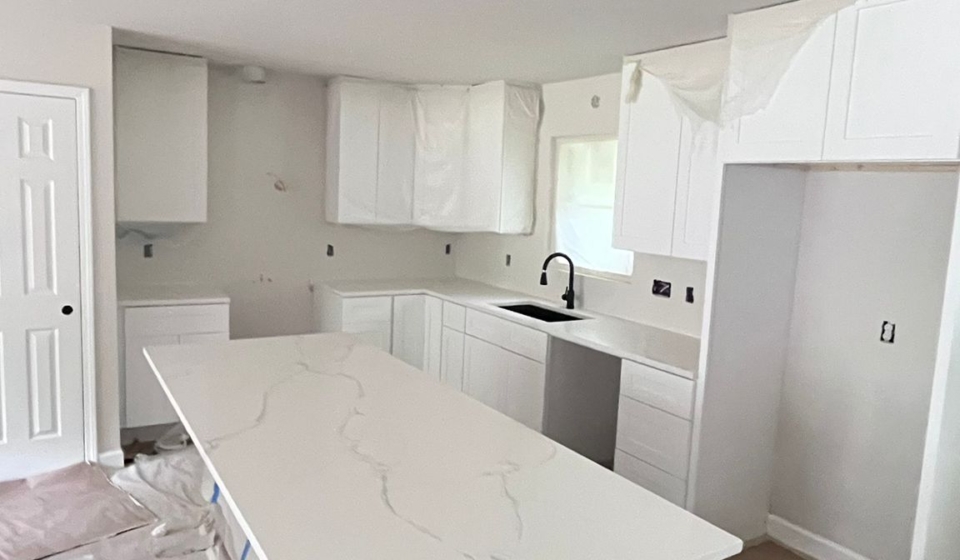
Kitchen islands are more than just an aesthetic choice. They are functional workhorses that enhance your kitchen’s efficiency and visual appeal. A well-designed island offers additional countertop space for meal preparation, extra storage for cookware, appliances, and utensils, and an informal dining and gathering area for family and guests. It also helps create a clear division between cooking and living zones in open-concept layouts.

Types of Kitchen Island

Choosing the right type of island depends on your kitchen’s size, layout, and intended use. Here are the most common styles:

  • Basic Work Table Island: Compact and movable, perfect for apartment kitchens or smaller layouts.
  • Storage-Focused Island: Equipped with lower cabinets, deep drawers, or open shelves to maximize space.
  • Seating Island: Features an overhang for bar stools or chairs, encouraging social interaction.
  • Appliance-Ready Island: Designed to house sinks, cooktops, dishwashers, or wine coolers, bringing core functions to the center of your kitchen.
  • Double Island: A luxury feature for expansive kitchens; often separates prep and serving zones for optimal workflow.

Choosing the Right Size & Placement

Proper sizing is essential to ensure your kitchen island doesn’t overwhelm the space or obstruct flow. For small kitchens under 150 square feet, a narrow island (24-30 inches wide) or a rolling cart is ideal. In medium kitchens between 150 and 250 square feet, a standard island (36-48 inches wide) with seating or storage works well. Large kitchens over 250 square feet can accommodate more elaborate custom designs featuring multi-tiered surfaces, built-in appliances, or even dual islands.

Professional Tip: Allow for at least 36″ of clearance space around all sides. If you plan to incorporate seating, increase this to 42-48″ for comfortable access.

Popular Materials & Countertop Options

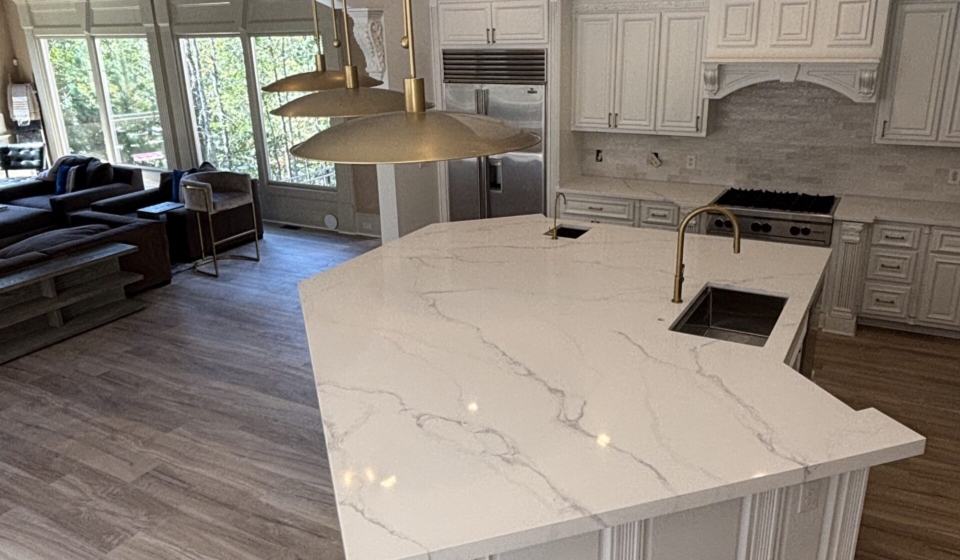
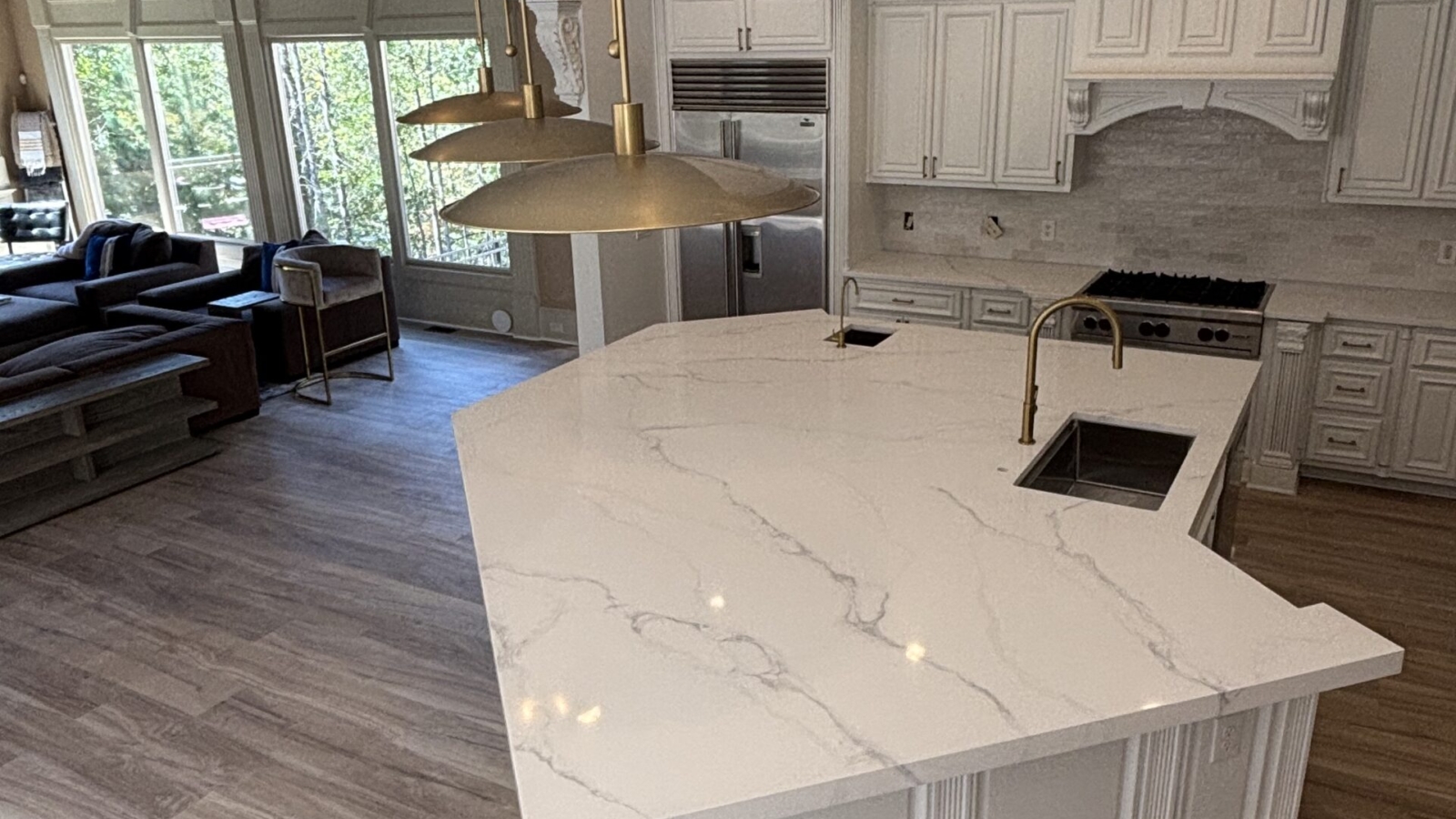
The island surface plays a key role in your kitchen’s aesthetics and durability, serving as both a visual focal point and a high-traffic work zone. Quartz is a non-porous, easy-to-maintain option that comes in a wide array of modern styles and colors, making it ideal for busy households. Granite, known for its natural veining and impressive heat resistance, adds elegance and durability. Marble offers a luxurious and timeless appeal but requires a bit more care to preserve its beauty. Butcher block surfaces bring warmth and a rustic charm to any kitchen, especially when paired with farmhouse or transitional designs. For those seeking an ultra-modern look, concrete or porcelain slabs are increasingly popular in contemporary and industrial-style homes. Choosing the right material means balancing style, function, and lifestyle needs — especially important in a vibrant city like Atlanta where design trends meet everyday practicality.

Design Trend: Many Atlanta homeowners are opting for waterfall edges, contrasting island finishes, and mixed materials for a unique, high-end look.

Essential Design Features

A functional island includes more than just storage and surface space. Enhance your island with these popular and practical features: integrated power outlets, which are perfect for using appliances or charging devices; under-cabinet lighting that adds functionality and ambiance; built-in trash or recycling compartments to streamline kitchen tasks; wine storage or a mini fridge for entertainers and casual hosts; and color contrast to highlight your island by choosing a finish that complements or contrasts with surrounding cabinetry. Each of these additions can significantly improve how your island supports daily use and overall kitchen performance.

Lifestyle-Driven Island Uses

Your kitchen island can be tailored to suit your lifestyle and daily routines. For family living, consider including space where kids can do homework while meals are being prepared. If you enjoy entertaining guests, use the island as a stylish drink station, buffet table, or additional seating area to make gatherings easier and more enjoyable. For those who love to cook, a chef-friendly design might include knife blocks, prep sinks, compost bins, or custom storage solutions to make the workflow more efficient. Each approach ensures the island becomes a personalized and essential part of your home.

Final Thoughts

Kitchen islands are more than just a design trend. They’re a central feature that reflects how we live, gather, and cook in our homes. From maximizing space in a compact kitchen to creating a luxurious centerpiece in a spacious layout, the options are endless and impactful. Whether you’re aiming for timeless elegance or contemporary functionality, a thoughtfully designed island can elevate both the beauty and usability of your space. Trust All In Remodeling to help you bring that vision to life with quality craftsmanship and personalized service.
How to Care for Granite and Marble Countertops: A Complete Maintenance Guide


Granite and marble countertops bring natural beauty, character, and long-lasting value to kitchens and bathrooms. Because they are natural stones, however, they require the right care to maintain their appearance and protect the surface over time.

Whether you recently installed new countertops or have had them for years, proper cleaning and maintenance can help prevent stains, scratches, dull areas, and other unnecessary damage.

At All In Remodeling, we work with natural stone every day. Here are our recommendations for keeping granite and marble countertops looking their best.

Granite vs. Marble: Why Their Care Is Different

Although both materials are natural stone, they have different characteristics.

Granite

Granite is generally very durable and resistant to heat and everyday wear. When properly installed and maintained, it can perform beautifully for many years.

However, granite can be porous depending on the specific stone, which means liquids may penetrate the surface if it is not adequately sealed.

Marble

Marble has an elegant appearance and distinctive natural veining, but it requires more attention.

Because marble is primarily composed of calcium carbonate, acidic substances can react with the stone and create dull or lighter-looking areas known as etching.

This means products and foods such as lemon juice, vinegar, wine, tomatoes, and certain household cleaners require extra caution around marble.


1. Clean Your Countertops Daily

For everyday cleaning, simple is usually better.

Use:

  • Warm water
  • A soft microfiber cloth
  • A mild, pH-neutral cleaner designed for natural stone
  • A small amount of mild dish soap when appropriate

Remove crumbs and debris first, then gently wipe the surface.

After cleaning, drying the countertop with a clean microfiber cloth can help prevent water spots and residue.

Avoid harsh cleaners

Do not routinely use products containing:

  • Vinegar
  • Lemon or citrus acids
  • Bleach
  • Ammonia
  • Abrasive powders
  • Harsh degreasers
  • Strong acidic or alkaline chemicals

This is particularly important with marble.

A cleaner that works perfectly well on another household surface may not be appropriate for natural stone.


2. Clean Spills Quickly

One of the easiest ways to protect natural stone is simply to clean spills as soon as possible.

Be particularly careful with:

  • Coffee
  • Wine
  • Cooking oils
  • Tomato sauce
  • Juice
  • Soda
  • Lemon juice
  • Vinegar
  • Makeup
  • Hair products

Instead of aggressively rubbing a spill, blot it first and then clean the area with an appropriate stone-safe cleaner.

The longer certain substances remain on a porous surface, the greater the possibility of staining.

With marble, acidic liquids can also cause etching even when the stone has been sealed.


3. Understand What Sealer Actually Does

One of the most common misconceptions about natural stone countertops is that sealing makes them completely stain-proof or damage-proof.

It doesn’t.

A penetrating sealer is primarily designed to reduce the rate at which liquids can penetrate porous stone, giving you additional time to clean spills.

Sealer generally does not prevent:

  • Scratches
  • Chips
  • Cracks
  • Heat damage
  • Chemical damage
  • Marble etching

Think of sealing as additional protection—not an invisible shield.


4. How Often Should Granite or Marble Be Sealed?

There is no universal schedule that applies to every countertop.

Some stones are significantly more porous than others, and the type of sealer, frequency of use, cleaning products, and condition of the surface can all affect how often resealing may be appropriate.

Instead of automatically sealing your countertops every year, evaluate whether the stone actually needs it.

A simple water test

Place a small amount of water on an inconspicuous area of the countertop and observe the surface.

If the stone begins noticeably darkening as it absorbs the water relatively quickly, it may be time to have the countertop evaluated for resealing.

If the water remains on the surface without noticeable absorption, the existing protection may still be performing adequately.

When in doubt, consult a stone professional before applying another product.


5. Be Extra Careful With Marble and Acidic Products

This is one of the most important differences between granite and marble.

Acidic substances can chemically react with marble and damage its polished finish.

Common examples include:

  • Lemons
  • Limes
  • Vinegar
  • Wine
  • Tomato products
  • Certain bathroom cleaners
  • Some calcium or lime removers

The result can be a dull-looking spot that may initially appear to be a stain.

However, a stain and an etch mark are not the same thing.

A stain occurs when a substance penetrates the stone.

Etching occurs when an acidic substance reacts with the marble surface and changes its finish.

Because of this distinction, applying sealer will not necessarily prevent marble from etching.


6. Always Use Cutting Boards

Granite may be hard, but that doesn’t mean the countertop should replace your cutting board.

Cutting directly on natural stone can potentially:

  • Damage the finish over time
  • Leave metal marks
  • Damage your knives
  • Create unnecessary wear

With marble, scratches can be even more noticeable depending on the finish and lighting.

Using a cutting board is a simple habit that protects both your countertop and your kitchen tools.


7. Use Trivets for Hot Cookware

Granite has excellent heat resistance, but placing extremely hot cookware directly on a countertop is still unnecessary risk.

Thermal shock, existing weaknesses, seams, resins, sealers, or surrounding materials can behave differently under extreme temperatures.

For marble, the same practical rule applies.

Use a:

  • Trivet
  • Hot pad
  • Heat-resistant mat

It takes only a few seconds and helps protect an expensive countertop.


8. Don’t Sit or Stand on Your Countertops

Stone countertops are strong, but they are not indestructible.

Certain areas are naturally more vulnerable, especially around:

  • Sink cutouts
  • Cooktop cutouts
  • Overhangs
  • Seams
  • Narrow sections of stone

Avoid standing or sitting on countertops whenever possible.

For large overhangs, islands, and peninsulas, proper structural support is extremely important.


9. Protect the Area Around the Sink

The sink is one of the hardest-working areas of any countertop.

Water, soap, food residue, cooking oils, and cleaning products frequently accumulate around the sink opening.

Keep this area clean and relatively dry, and periodically inspect:

  • Silicone
  • Caulking
  • Sink attachment points
  • Seams
  • Faucet openings

If you notice deteriorated silicone, movement, separation, or water entering underneath the countertop, address the issue before it becomes a larger problem.


10. Be Careful With Heavy Objects

Granite and marble can chip, particularly around exposed edges.

Avoid striking the countertop with:

  • Cast-iron cookware
  • Heavy appliances
  • Large pots
  • Tools
  • Bottles or other hard objects

Edges and corners deserve extra attention because an impact concentrated in a small area can cause damage even when the rest of the slab is extremely strong.


What Should You Do If Your Countertop Is Already Damaged?

Not every problem requires replacing the entire countertop.

Depending on the stone and severity of the damage, a professional may be able to address:

  • Small chips
  • Certain stains
  • Dull areas
  • Marble etching
  • Minor scratches
  • Failed or deteriorated caulking
  • Some seam issues

However, repairs should be evaluated individually. Natural stone varies significantly in color, pattern, porosity, mineral composition, and finish.


Quick Granite & Marble Maintenance Checklist

Daily

  • Clean spills promptly.
  • Use warm water and a stone-safe cleaner.
  • Dry the surface with a soft cloth when necessary.

Always

  • Use cutting boards.
  • Use trivets for hot cookware.
  • Avoid harsh and acidic cleaners.
  • Avoid standing or sitting on countertops.
  • Be careful with heavy objects near edges and cutouts.

Periodically

  • Inspect the sink area and silicone.
  • Check seams and supported overhangs.
  • Evaluate whether the stone is absorbing water.
  • Consider professional cleaning, polishing, repair, or sealing when needed.

Natural Stone Is Made to Last—When It’s Properly Cared For

One of the reasons granite and marble remain popular is that every slab is unique. Natural variations in color, veins, movement, texture, and mineral composition are part of what makes these materials special.

With proper installation and reasonable maintenance, natural stone countertops can remain a beautiful feature of your home for many years.

The key is understanding the material you have and using products and maintenance practices appropriate for that specific stone.

Need Help With Your Countertops?

If you’re considering granite, marble, quartzite, or quartz countertops, or need help evaluating your existing countertops, All In Remodeling can help.

We provide countertop measurement, material selection, fabrication, and professional installation for homeowners, contractors, and remodeling projects throughout Atlanta, Suwanee, and communities across Georgia.

All In Remodeling
Cabinets • Countertops • Kitchen & Bathroom Remodeling

Contact us today to request an estimate or learn more about the right countertop material for your project.

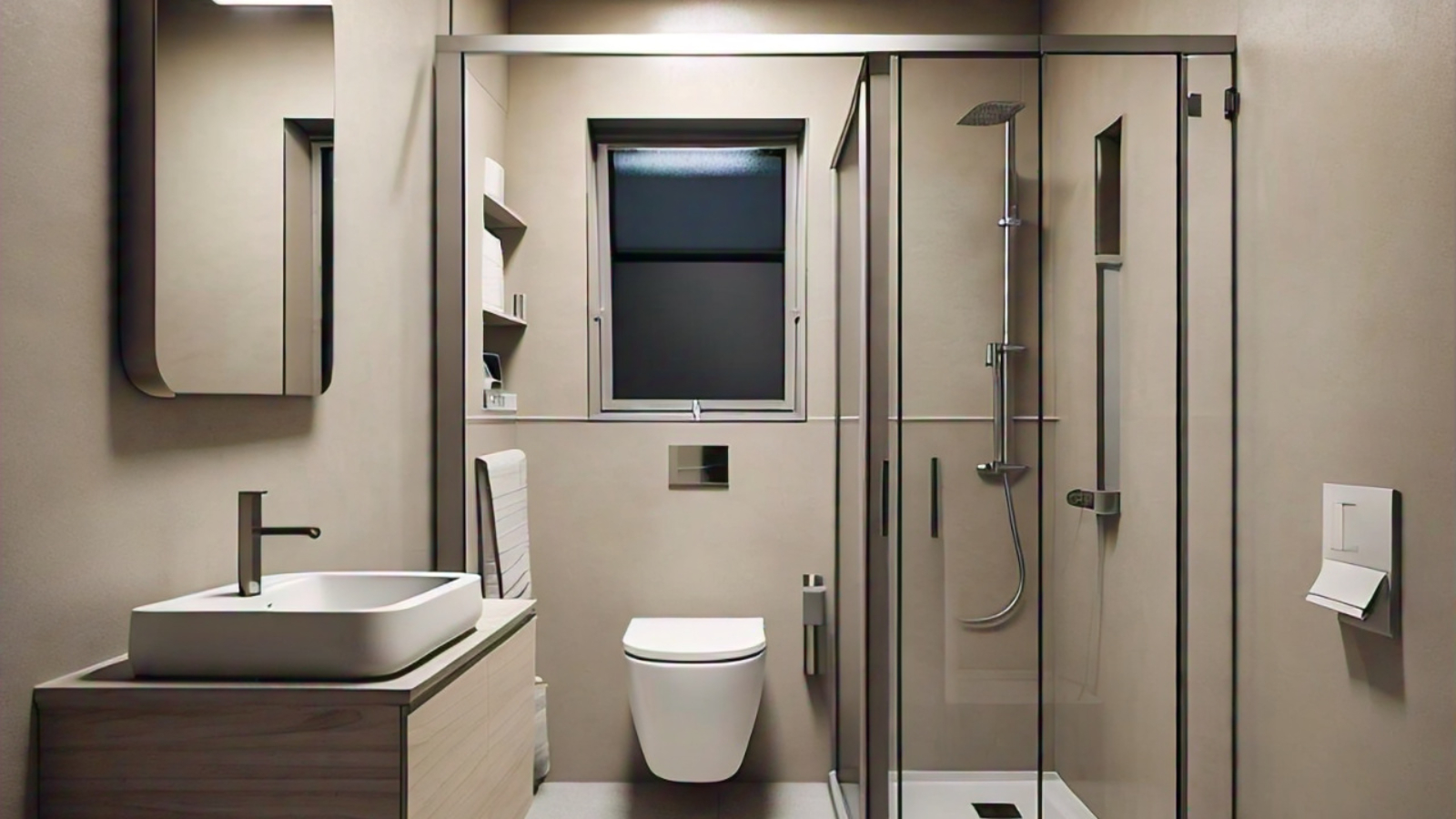
aprovecha_cada_cent_metro_de_tu_ba_o_peque_o

Consejos para Optimizar el Espacio en Baños Pequeños

El diseño de baños pequeños puede ser un desafío, pero con algunos trucos de organización y diseño, es posible maximizar cada centímetro y crear un espacio funcional y atractivo. Aquí te damos algunas ideas prácticas para optimizar el espacio en baños pequeños sin sacrificar el estilo.

1. Elige Muebles y Accesorios de Perfil Delgado

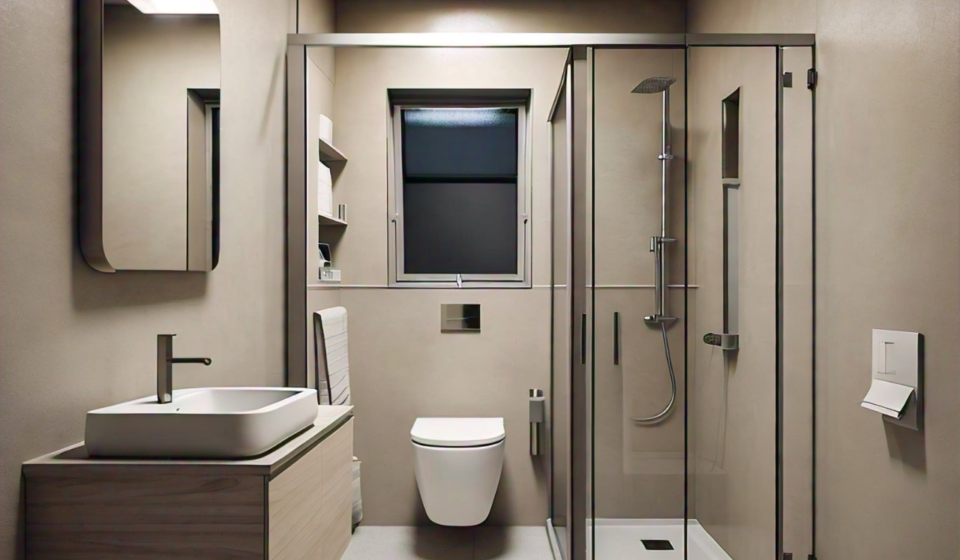
  • Opta por lavabos de perfil delgado y gabinetes que aprovechen el espacio vertical. Los estantes flotantes y espejos con almacenamiento oculto también son grandes aliados en espacios pequeños.

2. Aprovecha el Almacenamiento Vertical

  • Instala estantes o gabinetes altos sobre el inodoro o las esquinas libres. Este tipo de almacenamiento ayuda a mantener el baño ordenado sin ocupar espacio de tránsito.

3. Iluminación Adecuada y Espejos Grandes

  • Una buena iluminación hace que el espacio parezca más grande y acogedor. Un espejo grande también ayuda a crear una sensación de amplitud y refleja la luz, haciendo que el baño se sienta más espacioso.

4. Elige Colores Claros y Texturas Simples

  • Los tonos claros como el blanco, gris o beige reflejan mejor la luz, creando una atmósfera luminosa y amplia. Las texturas simples y los patrones minimalistas evitan que el espacio se vea saturado.

5. Utiliza Puertas Correderas o Plegables

  • Las puertas correderas en la ducha o los gabinetes de almacenamiento ahorran espacio en comparación con las puertas convencionales. Si tienes espacio, considera una puerta corredera para el baño en lugar de una que abra hacia adentro.


Con algunos ajustes en el diseño, los baños pequeños pueden convertirse en espacios funcionales y acogedores. No importa el tamaño, con la combinación adecuada de almacenamiento, colores y accesorios, tu baño puede ser tan eficiente como hermoso.


¿Quieres transformar tu baño pequeño en un espacio optimizado y elegante? Habla con nuestros expertos en All In Remodeling para recibir asesoría personalizada y crear el diseño perfecto para tu hogar.

boston

The Benefits of Open-Concept Kitchens in Modern Homes

Open-concept kitchens have become a staple in modern home design, combining practicality with a sense of spaciousness and style. From improved social connectivity to enhanced natural lighting, open-concept kitchens offer a range of benefits. Here’s why they’re a popular choice and how they can elevate your home’s design.

1. Improved Flow and Space Efficiency

  • Open kitchens allow for smooth movement between cooking, dining, and living areas, creating a functional layout.
  • Tip: Opt for an island with extra storage to make the space even more efficient and stylish.

2. Increased Social Interaction

  • With no walls to separate the kitchen from the rest of the home, open kitchens enable easier conversations and engagement while cooking or entertaining.
  • Tip: Place comfortable seating near the kitchen island to encourage interaction with guests and family.

3. Enhanced Natural Lighting

  • Open layouts allow light to flow freely, brightening the entire space. This can make the kitchen and surrounding areas feel more inviting and spacious.
  • Tip: Consider using light, reflective materials for cabinets and countertops to amplify the effect of natural light.

4. Design Flexibility

  • An open-concept kitchen provides flexibility to experiment with various layouts, styles, and color schemes that complement the surrounding areas.
  • Tip: Use cohesive design elements, like matching countertops and flooring, to seamlessly blend the kitchen with the rest of the space.

5. Increased Home Value

  • Open-concept designs are in high demand, and many homebuyers see them as a desirable feature, often boosting the home’s resale value.
  • Tip: Invest in quality finishes and modern appliances to make the open kitchen even more appealing to future buyers.

Conclusion:
Open-concept kitchens offer numerous benefits, from improving home flow to increasing resale value. With thoughtful design and quality finishes, an open kitchen can become a stylish, multifunctional hub for the home.

Ready to transform your kitchen into an open, welcoming space? Talk to an All In Remodeling expert to explore design options and bring your vision to life.

Shaker B. Gray

Essential Tips for a Successful Kitchen Remodel

A kitchen remodel is one of the most rewarding home improvement projects, enhancing both functionality and aesthetics while increasing property value. However, to ensure a smooth process and a stunning result, careful planning is essential. Here are some key tips to keep in mind when remodeling your kitchen.

1. Define Your Needs and Priorities

Before diving into the renovation, consider how you use your kitchen. Do you need more storage? A larger cooking area? A space for entertaining? Defining your goals will help shape the layout and design.

2. Set a Realistic Budget

A well-planned budget prevents overspending and ensures you allocate funds to key areas like quality materials and skilled labor. Factor in a contingency fund of 10-20% for unexpected costs.

3. Choose Durable and Stylish Countertops

Countertops are the centerpiece of any kitchen. Materials like quartz, granite, and marble offer durability and elegance. Quartz is low-maintenance, granite adds natural beauty, and marble exudes luxury—choose what fits your lifestyle best.

4. Optimize Storage Solutions

Maximize functionality with smart storage:

  • Deep drawers for pots and pans
  • Pull-out pantry shelves for easy access
  • Hidden compartments to keep clutter away
  • Vertical storage for better organization

5. Focus on Lighting

A well-lit kitchen improves both ambiance and functionality. Use a mix of:

  • Task lighting (under-cabinet lights for food prep)
  • Ambient lighting (recessed lights or chandeliers)
  • Accent lighting (LED strips or pendant lights for aesthetics)

6. Choose a Functional Layout

The kitchen work triangle (sink, stove, and refrigerator) ensures efficiency. Popular layouts include:

  • L-shaped: Great for open spaces
  • U-shaped: Maximizes counter space
  • Galley: Ideal for small kitchens
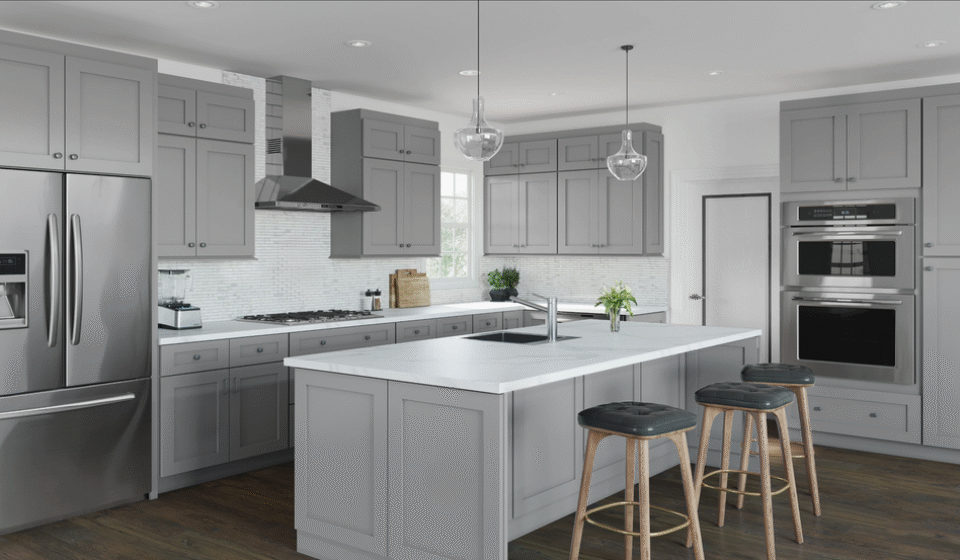
  • Island layout: Perfect for entertaining and extra storage

7. Select High-Quality Materials

Invest in durable cabinets, flooring, and fixtures. Soft-close cabinets, waterproof flooring, and high-quality hardware ensure longevity and elegance.

8. Hire Experienced Professionals

A skilled remodeling team ensures high-quality work, avoiding costly mistakes. At All In Remodeling, we provide expert craftsmanship and premium materials to bring your vision to life.

9. Plan for the Unexpected

Renovations can reveal hidden issues like plumbing or electrical problems. Being flexible with your timeline and budget helps manage any surprises.

10. Add a Personal Touch

Your kitchen should reflect your style. Incorporate unique backsplashes, custom cabinetry, or statement lighting to create a space that feels truly yours.

Ready to Transform Your Kitchen?

At All In Remodeling, we specialize in high-end kitchen remodels using the finest materials like quartz, marble, and granite. Our expert team is ready to bring your dream kitchen to life.

📞 Contact us today for a consultation and let’s create a stunning, functional space together!

tile

How To Choose the Right Tile for Your Kitchen or Bathroom project

Tiles are more than just a surface choice. They’re a key design element that can define the look and feel of any room. Remodeling your kitchen or bathroom is an exciting opportunity to refresh two of the most used and loved spaces in your home. Among the many decisions you’ll make, one of the most impactful is choosing the right tile. While it may seem like a simple design choice, the right tile enhances durability, improves functionality, and ties your entire aesthetic together.

When choosing tile, your first consideration should always be location and use. Kitchen floors, backsplashes, and bathroom walls or showers each require different types of materials and finishes. For example, a kitchen backsplash can use glossy ceramic or glass tile for a sleek, easy-to-clean surface, whereas bathroom floors demand slip-resistant porcelain or textured natural stone to ensure safety when wet. In kitchens, floor tiles must handle foot traffic and heavy appliances, while in bathrooms, they must withstand moisture, humidity, and frequent cleaning.

Material selection is next. Porcelain is a top choice for both kitchens and bathrooms due to its strength, low porosity, and wide range of styles, it can even mimic natural stone or wood. Ceramic is excellent for walls and backsplashes where durability isn’t as critical but style is. Natural stone like marble or travertine brings luxury and uniqueness to any space, but these options are porous and require sealing, especially in high-moisture areas like showers or behind kitchen sinks. If you love the stone look but want low maintenance, high-quality porcelain that mimics marble might be your best solution.

Beyond the material, size and shape matter more than you might think. In bathrooms, large tiles can help create the illusion of a bigger, cleaner space, while smaller mosaic tiles are ideal for curved shower floors or intricate detail work. In kitchens, long subway tiles or oversized rectangular tiles can add visual flow and make the room appear more spacious. Choosing the right tile size also affects installation time and cost, larger tiles require fewer grout lines, which means easier cleaning, but they also demand a more level subfloor.

Color and finish should align with the lighting and mood of the space. Kitchens often benefit from light, reflective tiles that brighten up the room, especially in areas with limited natural light. A glossy white backsplash paired with darker countertops can offer a crisp, modern look. Bathrooms, on the other hand, allow for more creativity with color, but remember that light-colored tiles will make a small bathroom feel larger. Matte finishes are excellent on bathroom floors for slip resistance, while glossy or satin finishes add shine to vertical surfaces like walls or shower niches.

Another important factor often overlooked is grout. In a kitchen or bathroom, grout needs to be mold-resistant, easy to clean, and properly sealed. You can match grout color to the tile for a clean, seamless look, or go bold with contrasting grout to highlight tile shapes and layouts. This is especially trendy in kitchens using classic white subway tiles with dark gray or black grout lines. No matter your choice, proper maintenance is key to keeping tiles and grout looking fresh and hygienic.

Think about your daily routine. In a busy family kitchen, you’ll want tile that can handle spills, splashes, and constant movement, durable and stain-resistant options like porcelain or glazed ceramic are ideal. For bathrooms used by children or guests, prioritize safety and easy cleaning with anti-slip tiles and fewer seams. In master bathrooms, homeowners often choose more elegant finishes and spa-like tones, such as marble-look porcelain, soft neutrals, or textured tile accents.

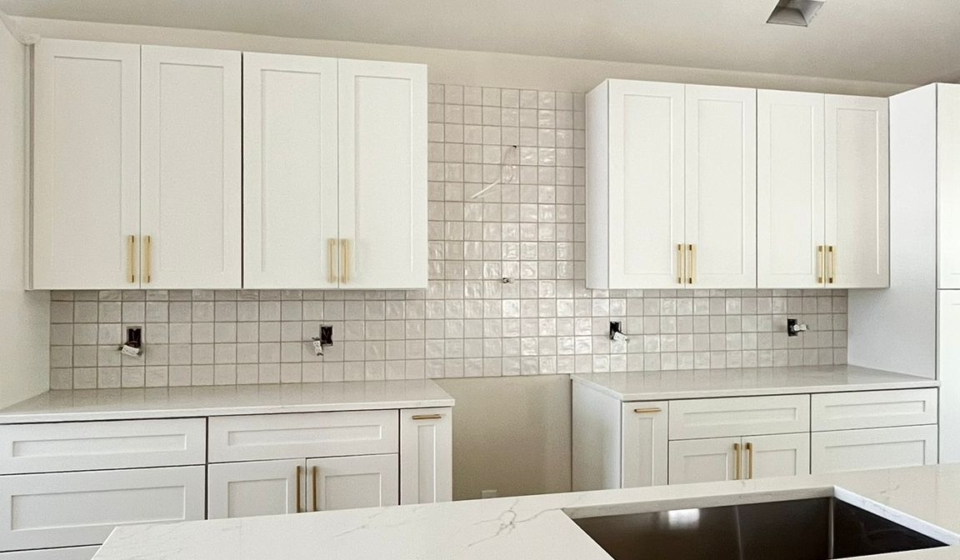
Budget also plays a key role. While high-end tiles like marble or handmade zellige tiles offer incredible visual appeal, there are plenty of mid-range ceramic and porcelain options that mimic high-end looks at a fraction of the price. Be sure to factor in not just the cost per square foot of the tile itself, but also installation labor, prep materials, spacers, grout, and sealing if needed. A trusted remodeling professional can help you balance quality, cost, and design impact.

Finally, don’t underestimate the value of seeing tiles in person. Light, space, and surrounding materials all affect how tile looks in your kitchen or bathroom. We always recommend taking home a few samples and viewing them during different times of day. This small step can prevent costly regrets later.

portafolio 2721

The Benefits of Quartz Countertops in Kitchen Remodels

When it comes to kitchen remodels, choosing the right countertop material is crucial for both aesthetics and functionality. For homeowners seeking a perfect blend of beauty, durability, and low maintenance, quartz countertops are an outstanding option. At All In Remodeling, we recognize the importance of selecting materials that enhance your kitchen’s value and meet the highest standards of quality. Here, we highlight the top benefits of choosing quartz countertops for your next kitchen remodeling project.

1. Exceptional Durability

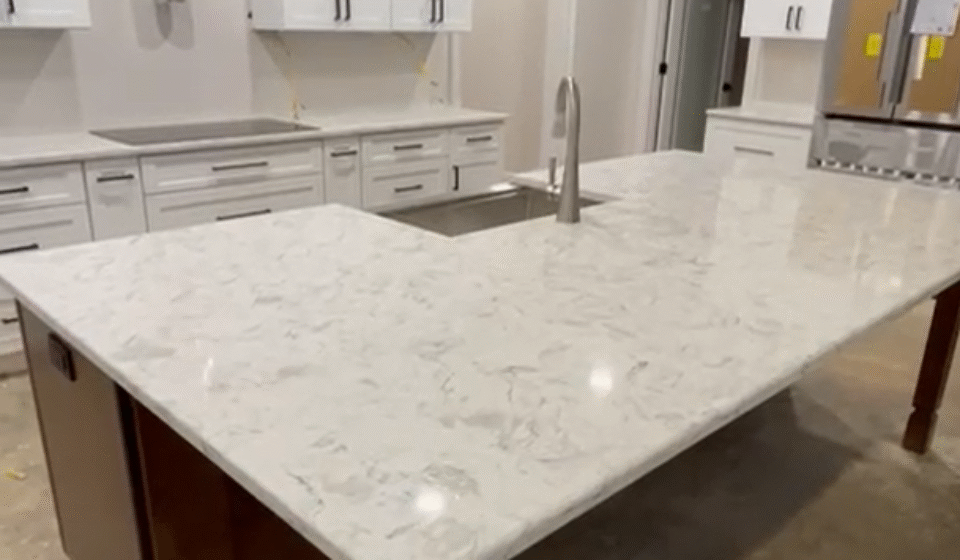
Quartz countertops are renowned for their incredible strength and resilience. Unlike natural stone, quartz is an engineered material made from crushed stone combined with resins and pigments. This process results in a non-porous surface that is highly resistant to cracks, chips, and scratches, making it ideal for busy kitchens where spills and heavy use are common.

2. Low Maintenance Requirements

One of the greatest advantages of quartz countertops is their low maintenance. Unlike granite or marble, which require regular sealing to prevent stains and bacterial growth, quartz is non-porous and naturally stain-resistant. A simple wipe with a damp cloth and mild soap is enough to keep it looking pristine, saving you time and effort in daily upkeep.

3. Wide Range of Design Options

Quartz countertops are available in an extensive variety of colors, patterns, and finishes to match any kitchen design. Whether you prefer the classic look of marble or the modern appeal of concrete, quartz can mimic these styles without compromising on durability. All In Remodeling offers a curated selection of quartz options to suit both contemporary and traditional aesthetics.

4. Hygienic Surface

A non-porous surface not only prevents stains but also resists the growth of mold, mildew, and bacteria. This makes quartz an excellent choice for maintaining a healthy kitchen environment. Unlike natural stones that may have tiny crevices where bacteria can hide, quartz’s smooth surface ensures better hygiene and peace of mind.

5. Consistent Appearance

While natural stone like granite often has unpredictable patterns and color variations, quartz offers a more uniform appearance. This makes it easier to achieve a cohesive look throughout your kitchen, especially for larger countertops or kitchen islands. Consistency in design can be a key factor in enhancing the visual appeal of your remodel.

6. Long-Term Investment

Though quartz countertops may have a higher initial cost compared to other materials, their durability and low maintenance make them a wise long-term investment. Homeowners who choose quartz can enjoy years of use without the need for repairs or replacements, which translates to better value over time. This investment not only adds to the beauty of your home but also increases its market value, making it a smart choice for those looking to boost their property’s appeal.

Conclusion

Quartz countertops offer a winning combination of durability, low maintenance, and aesthetic flexibility, making them a superior choice for kitchen remodels. At All In Remodeling, we are committed to providing high-quality quartz options that will enhance your kitchen’s functionality and appearance. With these benefits, it’s clear why quartz countertops have become a top choice for homeowners aiming to create a kitchen space that is both elegant and practical.

Ready to elevate your kitchen remodel with the timeless beauty of quartz? Contact All In Remodeling today to explore our premium selection and find the perfect match for your home.

WhatsApp Image 2025-04-17 at 4.43.00 PM

Quiero Remodelar mi Cocina en Georgia: Consejos y Pasos Claves

Si estás pensando en remodelar tu cocina en Georgia, seguramente quieres asegurarte de que el resultado sea funcional, elegante y duradero. Desde la selección de materiales hasta la planificación del espacio, cada detalle cuenta para transformar tu cocina en el corazón de tu hogar.

En este artículo, te guiaremos paso a paso para que tu proyecto sea un éxito.


1. Define el Estilo y Funcionalidad

Antes de empezar, es importante que determines cómo quieres que luzca tu nueva cocina y qué necesidades debe cubrir. Preguntas clave:
✔️ ¿Prefieres un estilo moderno, rústico o clásico?
✔️ ¿Necesitas más espacio de almacenamiento o una isla central?
✔️ ¿Qué tipo de encimeras y materiales se adaptan mejor a tu estilo de vida?

💡 Tendencia 2024: Las encimeras de cuarzo están en auge por su resistencia y fácil mantenimiento.


2. Presupuesto y Financiamiento

Tener un presupuesto claro te ayudará a tomar decisiones más acertadas. En Georgia, los costos de remodelación pueden variar según el tamaño del proyecto y los materiales elegidos.

💰 Opciones de financiamiento: En All In Remodeling, ofrecemos soluciones flexibles para que remodelar tu cocina sea más accesible.


3. Elección de Materiales y Acabados

La calidad de los materiales influye en la durabilidad de tu cocina. Algunas opciones recomendadas:
🟢 Encimeras: Cuarzo, granito o mármol.
🟢 Gabinetes: Madera maciza o laminados resistentes.
🟢 Iluminación: LED para eficiencia y ambiente moderno.

Consejo: Opta por materiales resistentes a la humedad y al calor para una mayor durabilidad.


4. Encuentra Profesionales Expertos

Para asegurar un acabado impecable, trabajar con especialistas en remodelaciones es clave. Un equipo experto te guiará en la planificación, diseño e instalación.

📞 ¿Listo para empezar? Agenda una consulta gratuita con All In Remodeling y convierte tu cocina en un espacio de ensueño.

👉 Habla con un Experto

Calacatta alpharetta

The Most Common Mistakes to Avoid When Remodeling Your Kitchen

Professional Advice for a Flawless Kitchen Renovation

A kitchen remodel is one of the most exciting home improvement projects — and also one of the most complex. Between design choices, budgeting, hiring professionals, and choosing materials, homeowners face a lot of moving pieces that can easily lead to costly mistakes.

At All In Remodeling, we’ve seen it all. From layout miscalculations to poorly cut countertops. Whether you’re a homeowner or a contractor managing a project, avoiding these common kitchen remodeling mistakes can save you thousands of dollars and months of headaches.

1. Lack of Planning: Rushing Into Renovation Without a Solid Strategy

Many kitchen remodels go off track because the homeowner jumped in too quickly. Ripping out old cabinets or purchasing trendy appliances before having a complete plan is a recipe for problems. Without a clear design and sequence of tasks, you’ll end up backtracking—costing more time and money.

What to do instead: Take time to map out your kitchen’s workflow. Work with a designer or builder to plan the layout, storage needs, appliance placement, and materials. Finalize your design and take accurate measurements before starting any demolition or ordering materials.

2. Ignoring the Kitchen Work Triangle

The kitchen’s most essential workflow involves the refrigerator, stove, and sink—the three points of the “work triangle.” A poor layout that ignores these relationships can make your kitchen inefficient and frustrating to use.

Common errors include: Placing the fridge too far from the sink, cramping the cooking area, or blocking walkways with an island or cabinets.

Pro tip: A well-functioning triangle allows for smooth movement and better ergonomics, especially in high-use kitchens.

3. Underestimating the Budget

A common misconception is that a kitchen renovation is affordable with minimal planning. But costs can add up fast: cabinetry, countertops, appliances, labor, and unexpected surprises behind walls. Overspending on features like smart gadgets or luxury finishes without budgeting for essentials is a trap.

The smarter approach: Establish a realistic budget from the beginning, including a contingency (10–20%) for unforeseen issues. Prioritize function and long-term durability over aesthetic fads.

4. Improper Countertop Planning & Fabrication

Countertops are a kitchen’s visual anchor—and one of the trickiest elements to get right. Errors in measurement or fabrication can cause delays, poor fits, or even damaged slabs.

Common pitfalls: Ordering stone before final templating, skipping overhang support planning, or choosing materials unsuited for daily use (e.g., porous marble in a family kitchen).

How to avoid it: Always rely on professional fabrication services that use digital templating and CNC cutting to guarantee precision. Choose materials like quartzite or engineered quartz for beauty and resilience.

5. Overlooking Lighting and Electrical Layout

Lighting is often an afterthought—but in the kitchen, it’s essential for safety and functionality. A poorly lit kitchen can strain the eyes and make tasks like chopping or cooking hazardous.

Avoid these missteps: Insufficient task lighting, outdated fixtures, and lack of GFCI outlets for appliances.

Best practice: Integrate ambient, task, and accent lighting. Install under-cabinet lighting and plan for future upgrades (e.g., induction ranges or double ovens) by evaluating your electrical capacity in advance.

6. Doing Too Much Yourself

DIY can be fun and cost-effective—until it’s not. Kitchen remodels require specialized skills in plumbing, electrical, tilework, and stone cutting. Poorly executed DIY work can result in costly corrections or worse, long-term damage.

Warning signs: Uneven cabinet installation, improperly sealed stone, misaligned backsplashes, or leaky plumbing.

Solution: Trust professionals with the work that requires licenses or precision machinery. You’ll protect your investment and achieve a cleaner, longer-lasting result.

7. Overlooking Ventilation and Airflow

A well-ventilated kitchen protects finishes, improves indoor air quality, and prevents lingering odors. Yet ventilation systems are often underpowered or improperly installed.

Mistakes to avoid: Installing a recirculating hood instead of a ducted one, placing vents too far from cooktops, or sealing off natural airflow with design changes.

Recommendation: Invest in a quality range hood vented to the exterior. If altering your layout significantly, consult with an HVAC specialist.

8. Prioritizing Style Over Substance

A beautiful kitchen that doesn’t function well quickly becomes frustrating. Choosing cabinet styles that sacrifice storage, or countertops that require constant maintenance, is a common regret.

What goes wrong: Fragile finishes, open shelving in homes with kids or pets, or lack of durable surfaces in high-use areas.

Pro move: Choose classic, neutral materials and timeless layouts. Prioritize easy-to-clean surfaces and sturdy cabinetry that can handle daily wear.

9. Forgetting About Cleaning and Maintenance

Your dream kitchen will get messy—daily. Choosing materials or layouts that complicate cleaning can add unnecessary stress.

Avoid materials like: Deep grout lines, textured backsplashes, or untreated natural stones that stain easily.

Tip: Ask about the care requirements for every finish and surface. For example, sealed quartz requires far less upkeep than porous marble.

10. Failing to Think Long-Term

While it’s tempting to design around current trends or your immediate lifestyle, kitchens are long-term investments. What works now may not work five years from now—or appeal to future buyers.

Future-proof your kitchen by: Choosing adaptable layouts, neutral tones, and efficient storage. Think about aging in place, family expansion, or resale value when making core decisions.

Final Thoughts

A successful kitchen renovation blends vision with strategy, style with substance. Avoiding these ten common mistakes will not only save you time and money, but also result in a space that brings lasting comfort and joy. The best kitchen isn’t just beautiful—it’s built to work for you, every single day.

Luxury Bathroom Transformations: Tips to Create a Spa-Worthy Retreat at Home

Transforming your bathroom into a luxurious, spa-worthy retreat brings relaxation and a touch of elegance into everyday life. With premium materials, statement pieces, and ambient lighting, you can create a calming space that feels like a personal sanctuary. Here’s how to bring spa-like luxury into your home.

1. Go Bold with a Statement Bathtub

  • A freestanding bathtub isn’t just functional; it’s the focal point of any luxury bathroom. Choose a sculptural tub in marble or a sleek, modern design to elevate the space instantly.
  • Tip: Position it near natural light or add floor-to-ceiling curtains around it for a true spa vibe.

2. Indulge in Heated Flooring and Towel Warmers

  • Comfort is key in a high-end bathroom. Heated floors and towel warmers add warmth and sophistication, ensuring a cozy step-out from the shower.
  • Tip: Pair with non-slip, textured tiles that add elegance and safety.

3. Install a Rainfall Shower with Spa Jets

  • Experience a daily luxury with rainfall showerheads and adjustable spa jets for a full-body relaxation effect.
  • Tip: Add glass shower enclosures to keep an open, airy feel that lets natural light pour through.

4. Use Luxe, Natural Materials for Surfaces

  • Marble, quartz, and high-quality wood finishes instantly upgrade the look and feel of a bathroom. Opt for marble countertops, quartz backsplashes, or teak accents.
  • Tip: Try combining textures like matte quartz with polished marble for a sophisticated contrast.

5. Integrate Mood Lighting and Smart Mirrors

  • Soft, layered lighting sets the mood, and smart mirrors with LED lighting add both functionality and ambiance.
  • Tip: Add dimmable sconces or LED under-cabinet lighting to create a calm and luxurious atmosphere.

Luxury bathrooms are all about indulgence, elegance, and creating a space that feels rejuvenating. With these elements, you can elevate your bathroom into a private, spa-worthy retreat.

Ready to start your luxury bathroom transformation? Contact All In Remodeling to consult with an expert and bring your dream retreat to life!